
How Automation Systems Integration Reduces Production Errors
Production mistakes rarely happen because of one major problem. More often, they begin with small inconsistencies that slowly affect quality, efficiency, and delivery times. A missed signal, incorrect data entry, or delayed machine response can create unnecessary downtime and costly waste.
Deploying advanced automation systems integration binds your independent field devices, enterprise software layers, and master processing grids into a single, bulletproof industrial network, forcing every step of the line to pass telemetry flawlessly.
Right across our industrial corridors, forward-thinking operators are aggressively locking onto smart architectural overlays to stabilize their daily output numbers while cutting manual labor variables out of the equation.
Hardening your data connections unrolls an instant optimization loop, letting management strip out operational blind spots, tighten up batch compliance, and streamline floor logistics.
Instead of fighting with isolated island machinery, your enterprise operates inside a unified digital twin where raw process variables move across the bus without a single choke point, maximizing your sub-millimeter precision.
With global market dynamics driving relentless margin pressure, backing unified network topologies is the definitive play to keep plant throughput perfectly uniform while keeping your rolling energy draws lean and hardening your multi-decade asset yield.
Why Automation Systems Integration Matters for Modern Manufacturing

The baseline mechanics governing modern manufacturing floors have broken through serious technical boundaries over the past few seasons. High-net-worth clients now strictly demand zero-defect handovers, lightning-fast lead metrics, and perfect metallurgical or physical conformity whether you are running a boutique prototype batch or massive multi-tier volume runs.
Legacy setups consistently hit a brick wall against these demands because disconnected mechanical frames, unpatched localized control software, and old paper-based tracking sheets set up severe operational data gaps across your facility footprint.
Implementing full automation systems integration completely bridges these technical voids by tying CNC mills, field instrumentation arrays, logic engines, MES software, and supervisory interfaces into a unified, high-speed loop.
Instead of standalone control boxes running separate loops in the dark, every network element updates the central database in real time to transition raw materials cleanly from cell to cell.
For local industrial leads throwing capital behind specialized automation systems integration Melbourne networks, this synchronized configuration delivers an immense return far past basic cycle-time drops.
It hardens your structural quality assurance logs, compresses emergency machine failures down to zero, and yields pristine historical analytics to streamline your executive strategy.
Dozens of high-volume plants are actively interlocking their core industrial automation integration protocols directly with complete factory automation systems to wipe out friction across complex chemical or mechanical routing lines.
Swapping human clipboard logging for automated data sweeps lets the machinery run permanent self-diagnostic passes, trapping torque spikes early to hold strict tolerances through every midnight shift.
Common Causes of Production Errors and How Integration Solves Them
Line faults almost never lock down an assembly layout out of nowhere without throwing a few data flags onto the network first.
The vast majority of system blowouts trace back to minor fieldbus dropouts, lazy terminal monitor tracking, out-of-calibration variable limits, or missing lot codes that quietly multiply down the conveyor line until the entire system hits a wall.
Deploying an expert automation systems integration roadmap stops these processing bugs dead by locking down an unyielding, high-speed data highway across your field instrumentation and server nodes.
Instead of decoupled processing modules running blind loops, automated tracking keeps every single line stage locked onto identical timing marks on autopilot.
Some of the most common production problems include:
Manual data entry mistakes
Equipment operating with outdated settings
Delayed fault detection
Poor communication between production departments
Inconsistent product quality
Unexpected machine downtime
Setting up current-gen PLC system integration enables multi-axis logic blocks to blast inter-processor variables back and forth over Ethernet/IP lightyears ahead of old speeds.
Simultaneously, hooking into advanced SCADA integration services drops a high-fidelity visual telemetry map right into the control room, giving the team real-time oversight to kill system anomalies before they trigger an emergency stop.
Committing your infrastructure logs to high-end industrial control system integration knits your photoelectric eyes, variable speed drives, synchronized robotic arms, and condition monitors into a single high-velocity canvas, stripping human error points straight out of the physical cell.
How Real-Time Data Improves Production Accuracy
Your plant logistics logic turns out miles higher performance metrics the second your control boxes pull direct live analytics from the conveyor lines.
Running a comprehensive automation systems integration pass lets your tooling, field devices, and network systems talk natively without a single millisecond of lag, updating your registers instantly so the line adjusts before a minor drift ruins a batch.
Automated loop scanning optimizes your ERP sequencing, material tracking, motor load metrics, and batch weights cleanly on autopilot. System supervisors can trap creeping cycle bottlenecks early, while the maintenance van scores instant warning notes via MQTT before a vibration spike can corrupt your finish quality.
Heaps of local operations are grouping high-spec automation engineering services Melbourne rollouts straight with custom machine automation integration layers to forge a unified cyber-physical floor matrix. This radical level of line-of-sight tracking strips unneeded layout friction clean out of the plant, paving a smooth path for lean manufacturing rollouts across your daily work shifts.
A major secondary win drops straight out of your industrial electrical automation layers, where your switchgear, distribution tracks, proximity indicators, and master control enclosures run on a single synchronized backbone.
Clearing out communication lag across these electrical layers unrolls a fluid material transit run while driving site risk scores to absolute zero.
Cutting down data latency via a professional round of automation systems integration empowers your operations desk to finalize rapid line modifications while holding an ironclad guarantee over your final product compliance metrics.
The Long-Term Business Benefits of Automation Systems Integration
Squeezing out raw physical tooling errors is just the opening play on a much bigger balance sheet; the multi-year value of anchoring a thorough automation systems integration architecture completely rewrites your entire corporate identity, from front-office logistics straight to end-user fulfillment scores.
When your conveyor grids, mixers, and pneumatic lines mesh cleanly through high-speed fieldbus cards, your organization pockets flat error curves, rock-solid volumetric tracking, and bulletproof quality shielding, while automated tracking prints out clear performance ledgers to guide your future capital expansions.
Corporate groups putting funds into full production line automation discover that stabilizing their material transit runs drives down unneeded manual labor outlays while jacking up total plant capacity without a single drop in tolerance specs.
In the exact same way, deploying modern automation control systems Melbourne wide empowers your engineering leads to audit separate processing lines from a single remote desk, expanding plant visibility without multiplying layout overheads.
The intense industry push for advanced smart factory automation underscores a massive macro shift toward full industrial internet-of-things (IIoT) platforms, where machine arrays self-optimize via continuous device-to-device communication to drop manual handling steps right off the cliff.
The table below highlights how integrated automation improves everyday manufacturing performance.
Manufacturing Challenge | Traditional Process | Automation Systems Integration Result |
Manual inspections | Delayed fault detection | Continuous real-time monitoring |
Separate machine controls | Communication gaps | Unified connected systems |
Inconsistent production | Variable product quality | Standardised manufacturing processes |
Unexpected breakdowns | Reactive maintenance | Predictive maintenance alerts |
Manual reporting | Slow decision-making | Live operational dashboards |
High production waste | Material loss | Improved process accuracy |
Supporting Continuous Improvement Through Smarter Automation
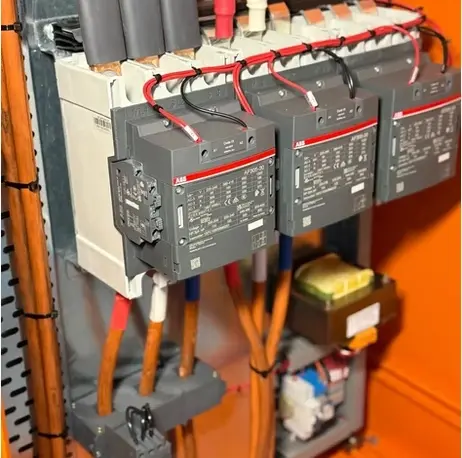
Industrial engineering parameters never stay locked in a single configuration over the quarters; buyer demands shift overnight, target volume markers climb, and technology cycles break through old thresholds every twelve months.
Companies that systematically feed budget into their central automation systems integration architecture insulate their floor assets from obsolescence, allowing them to scale layout targets without paying for a total structural tear-out.
Sinking capital into targeted automation system upgrades bridges legacy heavy machinery with current-generation cloud networks through automation systems integration, stretching the value of existing equipment.
Instead of replacing a ten-ton press, factories simply install upgraded logic controllers, precision laser sensors, and updated visualisation software into the existing system.
Keeping a responsive industrial automation support Melbourne contract active alongside automation systems integration helps protect long-term system performance.
Regular data integrity checks, sensor calibration, and firmware updates reduce the risk of unexpected peak-hour production failures while ensuring the entire processing system operates efficiently.
According to Safe Work Australia, well-designed automated systems also contribute to safer workplaces by improving operational consistency and reducing exposure to hazardous manual tasks.
Investing in custom automation systems integration returns compounding dividends long after the system engineers clear the site map, turning out unyielding processing metrics, deep tracking transparency, and rock-solid manufacturing stability as your commercial targets scale up.
Choosing the Right Automation Systems Integration Partner
Picking your project management crew for your automation systems integration layout is a critical milestone that dictates your multi-year asset performance.
A meticulously planned network rough-in focuses 100% on securing bulletproof data loops across your field switches, database nodes, and server boxes while clearing a clean runway for future facility growth.
A master automation team kicks off their scope by executing an intensive visual and technical process audit on your floor before drawing a single new line schematic.
Clear upfront design maps eliminate implementation risks and guarantee that your fresh logic code interfaces cleanly with legacy hardware, checking off your scalability targets before the new enclosures are bolted down.
Corporate procurement desks across the state hunt down specialist engineering firms who carry real-world mastery of regional manufacturing rules, local machinery safety mandates, and next-gen cyber-physical tech.
A credentialed team designs custom network architectures that compress your transition downtime to near-zero while optimizing your line speeds right from shift one.
A premier automation systems integration contract covers extensive operator training fields, fieldbus stress testing, complete system documentation, and responsive help-desk lines. This comprehensive handover locks in permanent line-velocity metrics while ensuring your future hardware expansions clear municipal safety audits without a single hitch.
Rather than treating an industrial control update as a painful upfront expense line, smart corporate directors write off their integrated grids as a highly calculated core business asset that continuously drives up throughput, removes quality sags, and secures absolute plant reliability for the long haul.
Conclusion
Elite factory floor operations rely flat-out on uniform processing metrics, blazing cycle speeds, and sub-millimeter tracking accuracy. Leaving minor communication faults to brew down in the dark drops a massive liability onto your ledger, driving up labor scrap and late-delivery contract penalties.
Executing a comprehensive automation systems integration pass handles this vulnerability completely, joining your toolsets, software suites, field instruments, and motor enclosures into a single, highly coordinated virtual twin.
Weaving together custom industrial automation integration paths and high-performance PLC system integration loops with central SCADA integration services and smart factory automation profiles unrolls an absolute masterclass in facility optimization.
Dropping these synchronized frameworks onto your grid cuts out manual clipboard tracking, optimizes your operational visibility, and keeps your entire plant floor running perfectly lean through the most intense production cycles.
With regional fulfillment targets shifting higher month after month, locking onto a modern automation systems integration blueprint functions as your single highest-yield strategy to secure flat utility costs, drop processing errors to absolute zero, and harden your core real estate value for decades.
Ready to improve production performance with smarter connected technology? Contact us today - the automation specialists in Melbourne to discuss a tailored Automation Systems Integration solution or get a quote to discover how integrated automation can reduce production errors and increase manufacturing efficiency.
Frequently Asked Questions
1. How does Automation Systems Integration reduce production errors?
This advanced tier of industrial cyber-physical engineering mounts parameterized data fields, network switches, and automated logic blocks down to the absolute millimeter, giving your real estate folder an audit-proof virtual twin that handles multi-trade validation loops flawlessly.
2. Why is automation systems integration Melbourne becoming more popular?
Spot on. Sinking capital into an advanced automation systems integration Melbourne architecture maps legacy machinery straight into flexible, shared components, keeping your processing room's performance metrics perfectly sharp across multiple distinct project layouts.
3. What industries benefit most from industrial automation integration?
Absolutely. Sourcing your layout parameters through a specialized industrial automation integration team ensures you link your high-pressure lines, material sorters, and robotic frameworks straight to ticketed trade gold-cards, entirely cutting out unneeded operational exposure from your corporate portfolio folder.
4. What is the difference between PLC system integration and SCADA integration services?
Sinking your corporate budget into professional plc system integration and central SCADA integration services handles high-volume trade processing, automated telemetry grids, and multi-axis logic loops flawlessly, ensuring your business workspace retains high-priority compliance status without any risk of operational shutdown.
5. Can Automation Systems Integration work with existing factory equipment?
Swapping old disconnected lines for an automated parametric mesh entirely drops unneeded spatial coordination errors straight out of your budget logs, utilizing structured automation system upgrades to optimize your project timeline without causing a single drop in documentation quality.
6. Why is ongoing industrial automation support Melbourne important?
This dedicated sector of asset care balances your internal loop metrics, updates old logic firmware blocks, and seals out communication lag early, dropping unexpected trade costs out of your cash logs while maximizing your rolling industrial automation support Melbourne metrics for life.

Comments